Make Daily Life Flow: Homes That Quietly Guide Good Habits
Today we’re exploring designing home environments that nudge effortless routines, showing how tiny shifts in layout, lighting, texture, and placement can turn good intentions into automatic actions. Expect practical examples, heartwarming mini-stories, and science-backed nudges you can try tonight. Share your wins or roadblocks in the comments, subscribe for new experiments, and let’s turn small environmental choices into a daily rhythm that feels kind, natural, and refreshingly sustainable.

Entrances That Start The Day Right

The first steps after crossing your threshold set an emotional and behavioral tone. Design your entry to remove confusion and highlight the very next best action: hang keys predictably, park shoes where walking begins, and create a bright, welcoming focal point. Gentle scent, warm light, and a visible water bottle or umbrella quietly prompt readiness. Readers often report that a single hook rail near the door shortened chaotic departures, protected punctuality, and sparked a calmer return home routine, every single evening.

Kitchens That Serve Healthy Defaults

Sightlines And Transparent Storage

What’s visible gets chosen. Transparent bins, glass jars, and labeled canisters transform healthy options into the path of least resistance. Keep produce front-row in the fridge, not buried in drawers. Rotate leftovers with a first‑in, first‑out tag to reduce waste. A small spotlight above a prep shelf amplifies salience. Readers who adopted clear containers report snacking on carrots instead of chips simply because reaching required no thought. The environment whispered yes, while temptations quietly stepped aside.

Prep‑Ready Surfaces

A consistently clear, inviting prep zone nudges cooking to begin before excuses form. Park a cutting board on soft feet, keep a chef’s knife within arm’s reach, and rest a compost bowl nearby for easy cleanup. Place spices you truly use along a narrow rack, avoiding decorative clutter. Friction falls when tools are trustworthy and permanently stationed. Many home cooks found that a ten-minute evening reset ensures tomorrow’s dinner starts almost automatically, because the workspace offers a confident, hands-on invitation.

Hydration Reminders That Work

Hydration habits thrive on placement and repetition. Position a filtered pitcher where you naturally pause, such as the counter corner you face while waiting for the kettle. Keep a favorite bottle chilling within easy view, and pair each meal with water by default. Add subtle flavor infusions to keep novelty alive. Over time, thirst answers earlier, energy holds steadier, and afternoon headaches recede. Share your bottle placement trick, and help readers discover a low‑effort upgrade with big daily dividends.

Bedrooms That Protect Rest And Gentle Mornings

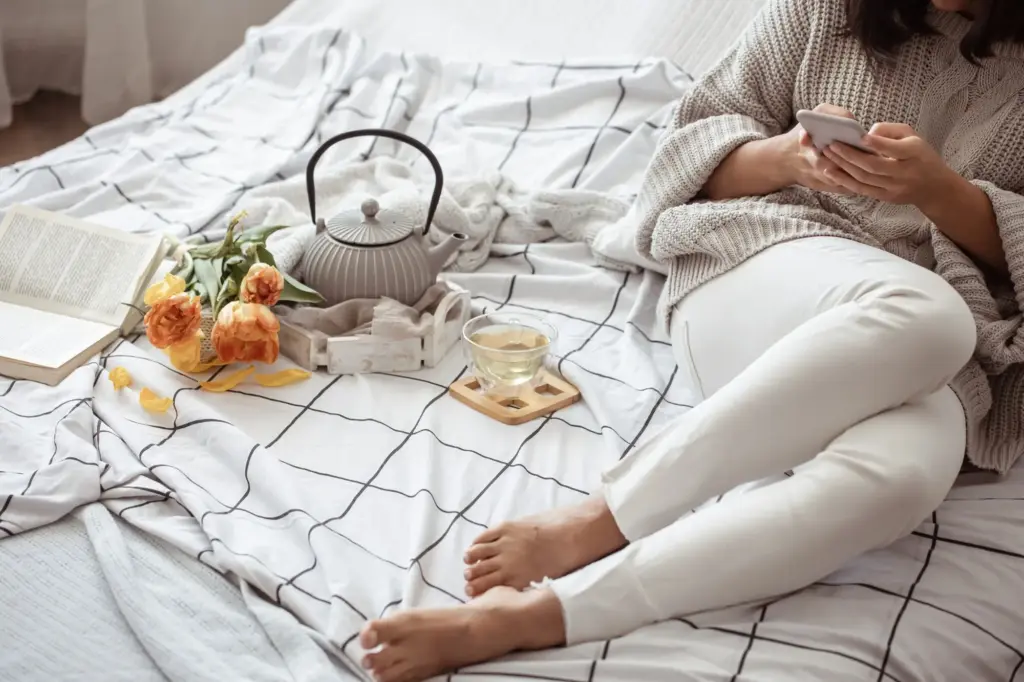
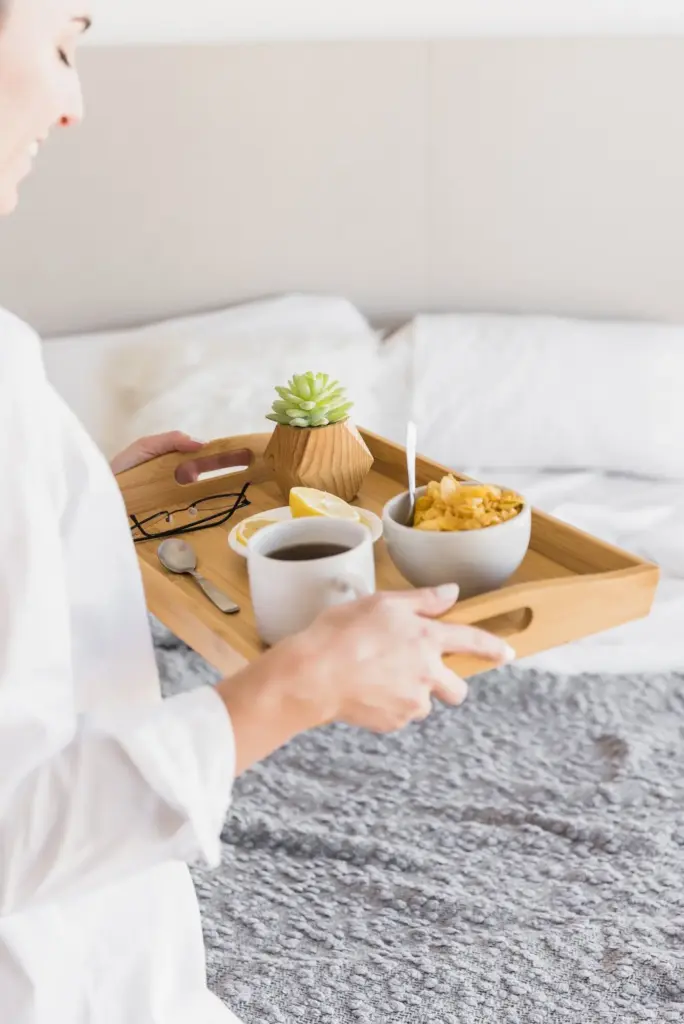
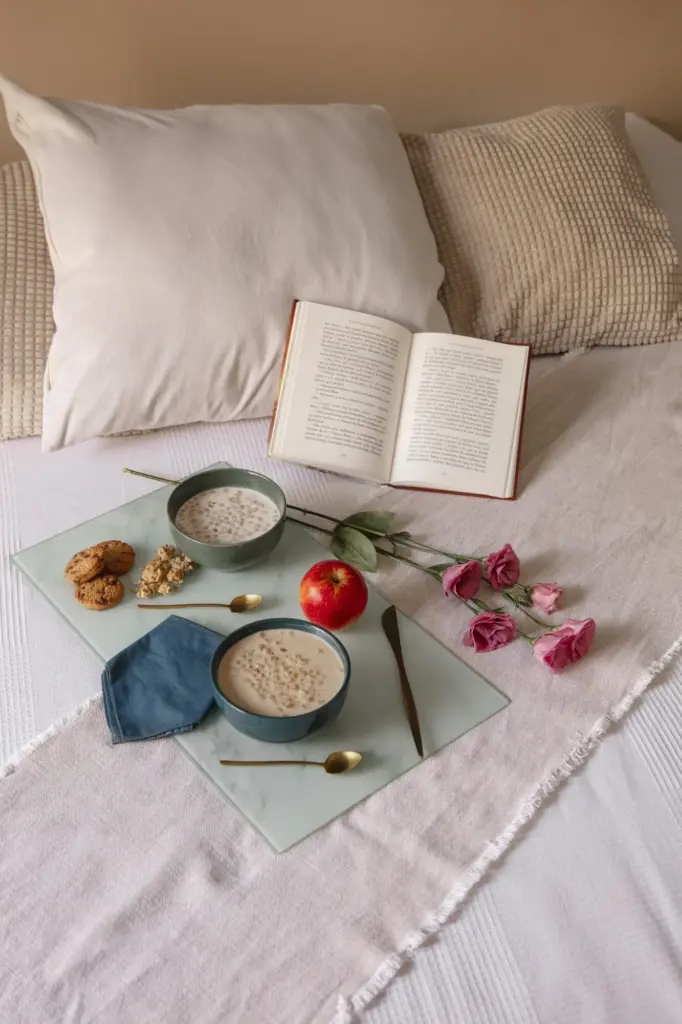
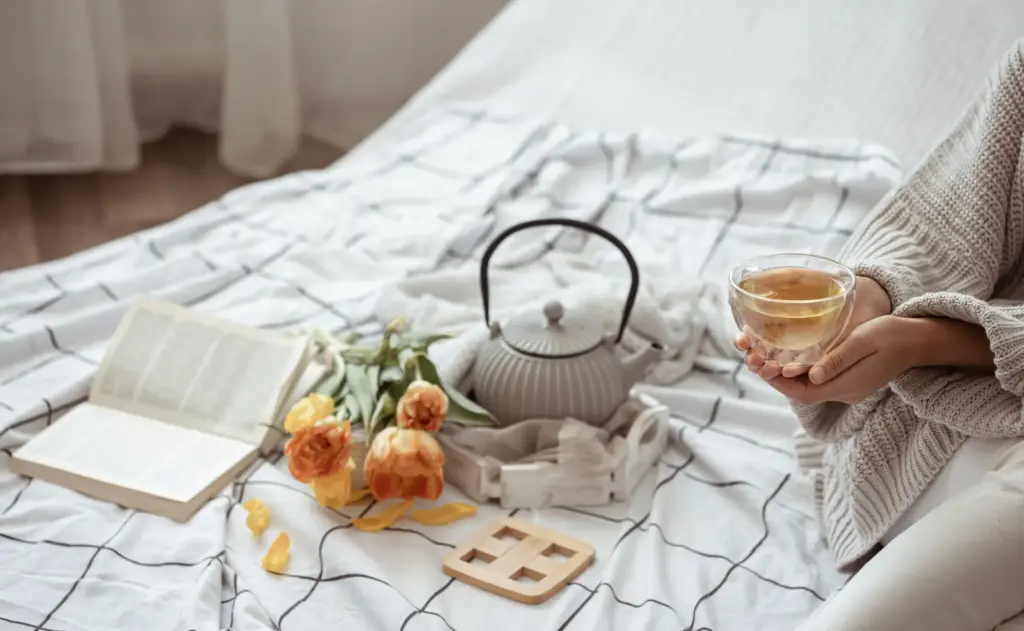
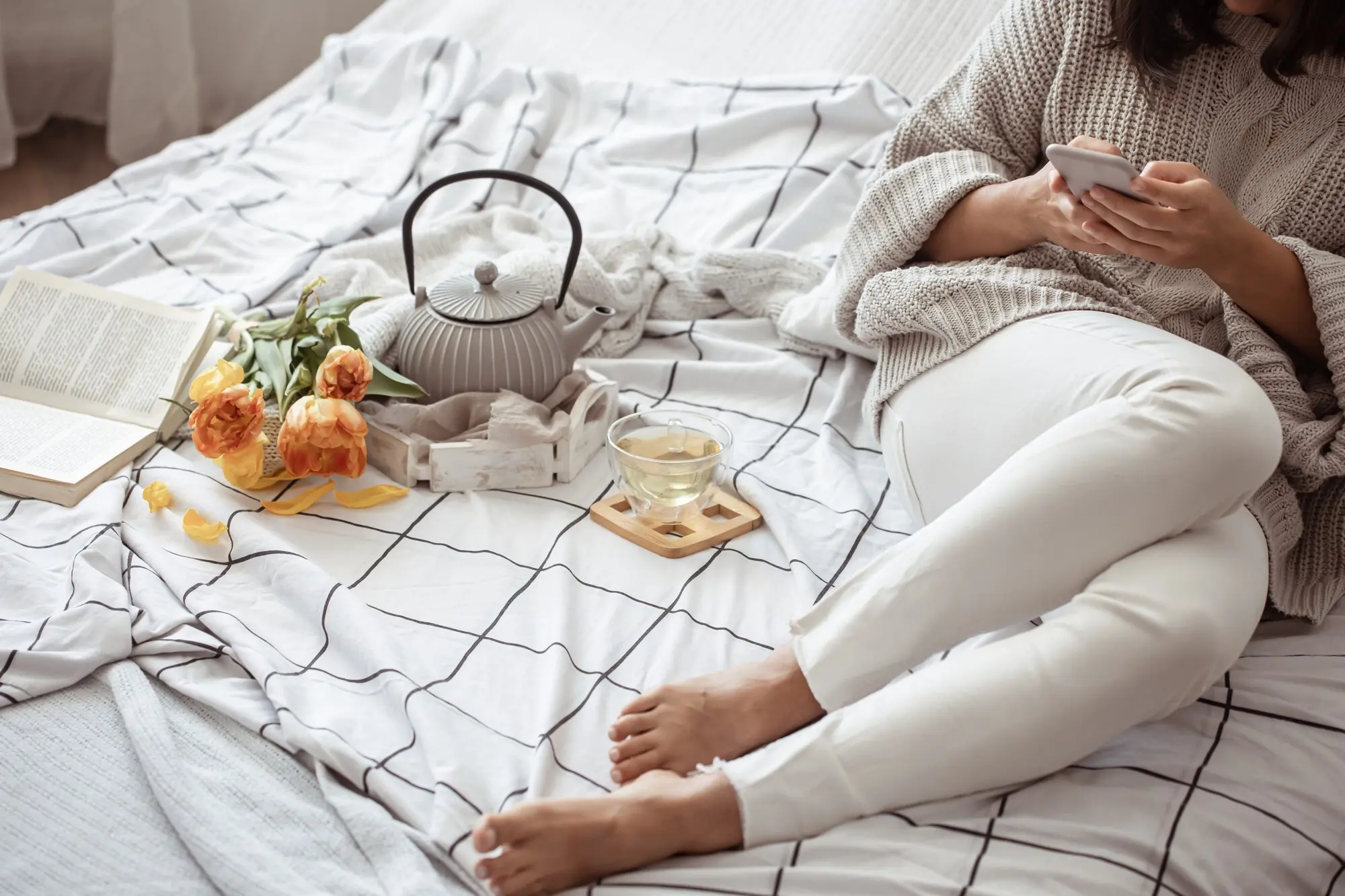
Sleep thrives when the room speaks softly and consistently. Block stray streetlight, dim screens, and let morning light, not notifications, guide wakefulness. Park chargers outside reach to prevent bedtime scrolling, and lay out tomorrow’s outfit to shrink indecision. Warm reading lamps, breathable bedding, and a quiet nightstand tray design invite a predictable wind‑down. Studies repeatedly connect early daylight with steadier circadian rhythms; align curtains and alarm placement accordingly. Subscribers often report deeper rest when tiny frictions finally stop whispering at midnight.

Living Areas That Encourage Movement And Focused Breaks

Sofas attract rest; let nearby cues invite short bursts of movement and mindful breaks. Keep a foam roller beside the coffee table, a yoga mat unrolled but tidy, and a resistance band hanging visibly. Tuck the remote into a small drawer to add a second of friction. Display board games within reach, not buried. Many readers report that one visible kettlebell reshaped their evenings, turning commercials into playful sets. Homes that invite micro‑movement naturally brighten energy without demanding drastic commitments.

Bathrooms As Ritual Studios

Even the smallest bathroom can choreograph reliable self‑care. Treat the counter as a script: line items in use order, decant only what serves you, and set a two‑minute timer near the mirror. Hang towels where reaching is natural, not acrobatic. Place floss next to the toothbrush, not hidden in a drawer. A diffuser on a low shelf makes mornings feel spa‑calm. Readers report that a single magnetic strip for grooming tools eliminated daily rummaging and made routines unexpectedly soothing.

Shared Spaces And Family Agreements

{{SECTION_SUBTITLE}}

Labels Everyone Understands At A Glance
Words can be warm design. Use large, friendly labels and icons so tired eyes still find the right basket. Keep categories simple: out, in, wash, fix. Match the container size to real volume, avoiding overflow. Place kid‑height hooks near the door so independence grows early. When everything announces where it lives, items gravitate home faster. This clarity dissolves nagging, lowers decision fatigue, and transforms tidying from a lecture into a game that nearly resets itself each evening.

Gentle Alarms, Not Nagging

Trade tense reminders for environmental prompts. A soft chime at dinner, a lamp that warms at reading time, or a playlist that begins the two‑song tidy establishes rhythms without confrontation. Pair sounds with visible cues: a tray on the table, a cart rolled near the door. Family members begin moving with the music, not against instructions. Readers report fewer arguments and more shared smiles when cues feel collaborative. Share your family’s kind signal, and help others design calmer, more reliable evenings.